Tuesday, 2 July 2024

Stampede Disaster in India Causes and Prevention


Stampede as a disaster in India


Stampede or crushing is the surge of individuals in a crowd, in response to a perceived danger or loss of physical space. It often disrupts the orderly movement of crowds resulting in irrational and dangerous movement for self-protection leading to injuries and fatalities


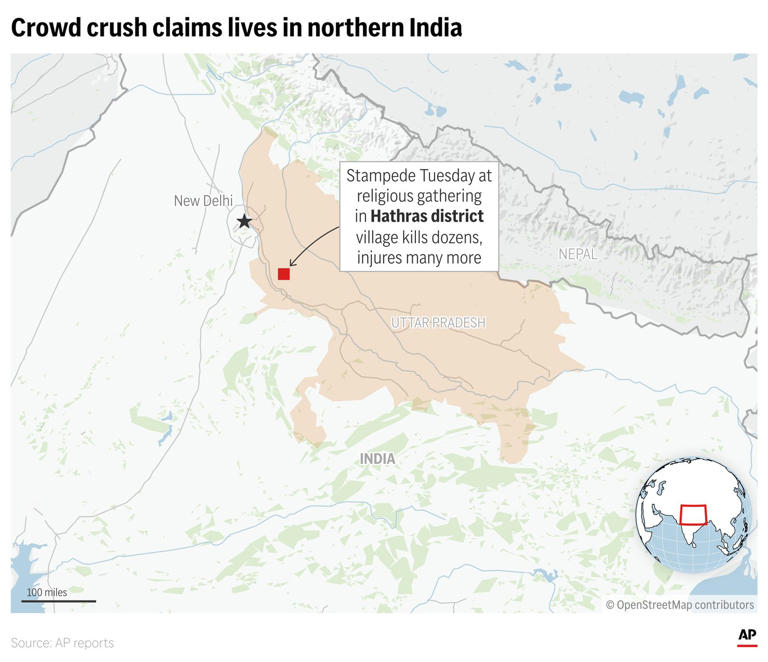
Context :In Hatras,UP A stampede at a religious congregation .here killed over 100 people on Tuesday as devotees suffocated to their deaths and bodies piled atop each other in the worst such tragedy in recent years.
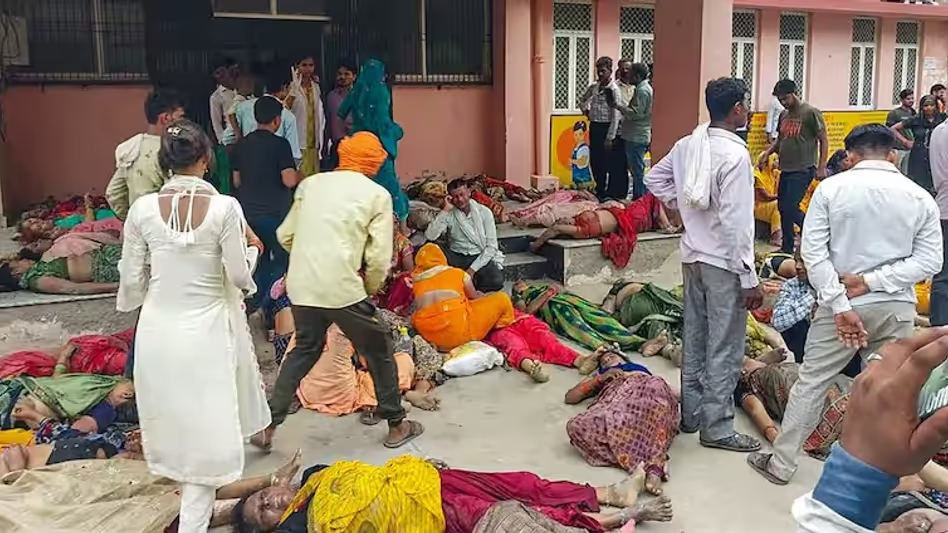
The stampede occurred during a crowded religious gathering, leading to chaos and a significant number of casualties. The exact cause of the stampede is still under investigation.


Introduction: The recurring stampedes at places of mass gathering, including religious places, railway stations, sports/social/political events, etc. are a great concern . With population explosion, urbanisation, more mass gatherings events led to more chances of such man made disaster of crowd management or stampede. Government of India NDMA guidelines consider as crowd disaster are local events and organizers are prime responsibility of disaster management in support of local administration.
With population growth and a constant increase in human travels, mass gatherings are becoming more frequent and attract increasing numbers of participants. Mass gatherings can be defined as a concentration of people at a specific location for a specific purpose over a set period of time, and which has the potential to strain the planning and response resources of the country or the community. Mass gatherings are either spontaneous, such as at train stations during rush hour or are planned, such as at sport, cultural, religious, or political events.  Mass gatherings may affect health in different ways and crowd disasters may occur, including the collapse of infrastructure, fire incidents, terrorist attacks, violence riots, and human stampedes 

Most human stampede casualties result from traumatic asphyxia caused by external compression of the thorax and/or upper abdomen, resulting in complete or partial cessation of respiration. It has been reported that significant compression forces can be present with even moderate crowds; forces of up to 4500 N (1000 lb) can be generated by just six to seven people pushing in a single direction with forces large enough to bend steel railings. 


Examples of recent crowd disasters in India 

  1. Dabwali Haryana, 23 December,1995. Fire at a school function held in a shamiyana(tent)

  2. Baripada, Odisha, 24 feb 1997. A fire at religious congregation 

  3. Uphaar cinema Delhi, 13 June 1997. Fire in movie hall

  4. Sabarimala stampede, kerala in January 14 (1999) and 2011.

  5. Charbagh railway station stairs, Lucknow (28 September,2002)-U.P

  6. Nasik maha kumbh mela, Maharashtra 27 August 2003

  7. Wai Satara , Shri Kalu ai yatra Mandharadev, Maharashtra, 25 January 2005 killing 293 people 

  8. Naina Devi temple stampede in Bilaspur, Himachal Pradesh, 3 august 2008 killing 162 people 

  9. Chamunda Devi temple, Jodhpur, Mehrangarh fort Rajasthan,30 September 2008 killing 249 people 

  10.  Ram Janki temple, Pratapgarh, local ashram , Uttar Pradesh, 4 march 2010 killing 65 people 

  11.  Railway station, Allahabad, while boarding train UP, 10;feb 2013

  12.  Ratangarh temple, Datia, a stampede on a bridge where a section of railings broke in Madhya Pradesh, 13 October 2013 killing 121 people 

  13.  Hathras religious congregation in UP, 2nd July 2024 killing around 117 people 


Causes of Stampede

Structural factors and poor crowd control measures lead to stampedes.

1. Structural Factors  

  • Insufficient exits, narrow passageways, and poorly designed venues can impede the flow of people during events or emergencies, increasing the risk of stampedes.


2. Poor Crowd Management

  • Underestimation of the audience 

  • Crowd Behaviour: The influx of people in a gathering that triggers a stampede occurs when individuals perceive a threat or a lack of personal space. This disruption frequently hampers the organized flow of the crowd, resulting in chaotic and hazardous movements driven by the instinct to protect oneself. As a consequence, injuries and even deaths can occur.  


3. Panic and Fear

  • Stampedes can be triggered by panic and fear within the crowd. Factors such as sudden loud noises, rumours of danger, or perceived threats can create a sense of panic, causing people to rush and trample over each other in an attempt to escape the perceived danger. 


4. Poor coordination between Stakeholders

  • Stampede can happen due to a lack of understanding of the range of duties entrusted, communication delays, coordination gaps between agencies etc. 

5) fire / electricity : unauthorised fireworks, illegal electric connections, short circuit, fire extinguisher not working, building violates fire code, fire in a makeshift facility, fire in illegal structures 

6) security lapses: Under deployment of security personnel to regulate crowd, lack of scientific planning , lack of training and equipment 

Note: Deaths from stampedes occur primarily from compressive asphyxiation. 

Dealing with Stampede Disasters

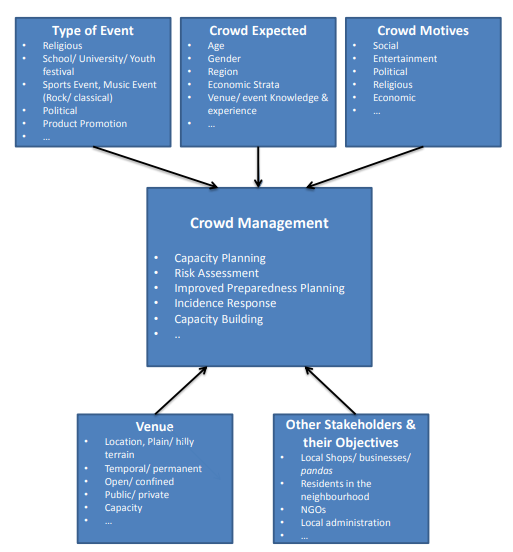
Risk Analysis and planning should be the first step. All event organizers should conduct a Failure Mode and Effect Analysis (FMEA). 

  • Information management dissemination is crucial. The absence or poor information management in itself may be a source of crowding.  

  • Capacity Planning (Long term and Short term): It emphasizes the need to develop infrastructure based on popularity, periodicity of the event, weather, terrain and local population. 

  • Understanding Crowd Behaviour: The behaviour of an individual in a crowd is influenced by the behaviour of others. The unlawful actions of a few people can result in a larger number following them. 

  • Crowd control-The guiding principle for crowd control should be managing the demand-supply gap by controlling the crowd inflow, regulating the crowd at the venue and controlling the outflow if needed. 

  • Stakeholder approach-organizers/law enforcement agencies must encourage community stakeholders (NGOs, Business Associations, Schools/Colleges, neighbourhoods, societies. Mohall committees etc.) to take ownership in events to uphold unity of purpose, faster decision/response, better coordination etc.  

  • Training: Training crowd management personnel, providing instructions on normal and emergency crowd movement and conducting mock drills is essential to prevent crowd disasters.

  • Technology: Use of Technology like remote sensing, GIS, CCTV,UAv etc., to improve the crowd experience and crowd control.

  • Deployment of barriers : barricades, roadblocks and fencing may be deployed in target areas as deemed fit to control the foe of people and vehicles 

  • Facilities and emergency medical services 

  • Transportation and traffic management 

  • Establishment of emergency operations centre: integrated communication system, public address system,announces, display system, wireless, medical emergency section, security control centre

Monday, 1 July 2024

India's Nomadic pastoral tibes


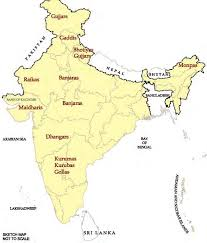
Major nomadic pastoral tribes of India:

  1. Gujjar bakarwals of jammu and kashmir : in summer dry scrub forest of high mountains while in winters moves to low hills of siwaliks along with their sheep and goat.

  2.  Gaddi shepherds of Himachal Pradesh had a similar cycle of seasonal movement. They too spent their winter in the low hills of Siwalik range, grazing their flocks in scrub forests. By April they moved north and spent the summer in Lahul and Spiti.

  3. The gujjar of kumaon and gharwal of uttarakhand  are  cattle herders came down to the dry forests of the bhabar in the winter, and went up to the high meadows – the bugyals – in summer.

  4. This pattern of cyclical movement between summer and winter pastures was typical of many pastoral communities of the Himalayas, including the Bhotiyas, Sherpas and Kinnauris. All of them had to adjust to seasonal changes and make effective use of available pastures in different places. When the pasture was exhausted or unusable in one place they moved their herds and flock to new areas. This continuous movement also allowed the pastures to recover; it prevented their overuse.

  5. Raika camels grazing on the Thar desert in western Rajasthan. Only camels can survive on the dry and thorny bushes that can be found here; but to get enough feed they have to graze over a very extensive area. the Raikas combined cultivation with pastoralism. During the monsoons, the Raikas of Barmer, Jaisalmer, Jodhpur and Bikaner stayed in their home villages, where pasture was available. By October, when these grazing grounds were dry and exhausted, they moved out in search of other pasture and water, and returned again during the next monsoon. One group of Raikas – known as the Maru (desert) Raikas – herded camels and another group reared sheep and goat.

  6. Dhangars were an important pastoral community of Maharashtra they move between konkan(winters) and semi-arid areas of central plateau of Maharashtra during the monsoon (grow bajra). They keep sheep and buffalos.

  7. The Gollas herded cattle. The Kurumas and Kurubas reared sheep and goats and sold woven blankets lives in karnataka and andhra pradesh between dry areas of interior plateau and wet coastal areas in monsoon and non monsoon season.

  8. Banjaras were yet another well-known group of graziers. They were to be found in the villages of Uttar Pradesh, Punjab, Rajasthan, Madhya Pradesh and Maharashtra. In search of good pastureland for their cattle, they moved over long distances, selling plough cattle and other goods to villagers in exchange for grain and fodder

  9. Maldhari herders moving in search of pastures. Their villages are in the Rann of Kutch. 


Problem or challenges faced by African , Asian, Latin American pastoralists:

  1. disruption of mobility routes

  2. Land acquisition for Argo-industrial projects and other developmental projects 

  3. Increase adverse policies affected the vulnerability of pastoralists 

  4. Reduced rangeland or pastureland 

  5. Climatic fluctuations 

  6. Desertification 

  7. Privatisation of communal land

  8. Wildlife conservation initiatives 

  9. Land degradation triggered by inappropriate land use 

  10. Insecure ye sure access to resources 

  11. Loss of common property resources 

  12. Rangeland acquired by non pastoralists 

  13. Pastoralists are bound by inter- and intra- state national borders.

  14. Intensification of agricultural production 

  15. Large livelihood diversification 

Pastoralists of South America:

South American rearing of camelids such as Llamas, alpacas, vicuñas and guanacos, sheep , goat and cattle’s. 

  1. semi arid regions of Andes known as altiplano or Puna at the height of 3700-5000m. It is mainly concentrated in 4 countries such as Argentina, Bolivia, Chile and Peru.

  2. The dry land of northern Mexico and Guajjra peninsula of Columbia and Venezuela. 

  3. Brazilian cerrado and caatinga

  4. Dry Chaco bush land between Argentina, Bolivia and Paraguay 

  5. Old pantagonia steppes shared by Argentina and chile

  6. Lalanos of Venezuela and Columbia 

  7. Bermejo and pilcomayo basins of Paraguay and Argentina 

  8. Partanar wetland in Brazil 

  9. 86% of Peruvian does and Bolivian highland used as rangeland with pastoralist.

West Asian and  North Africa pastoralists:

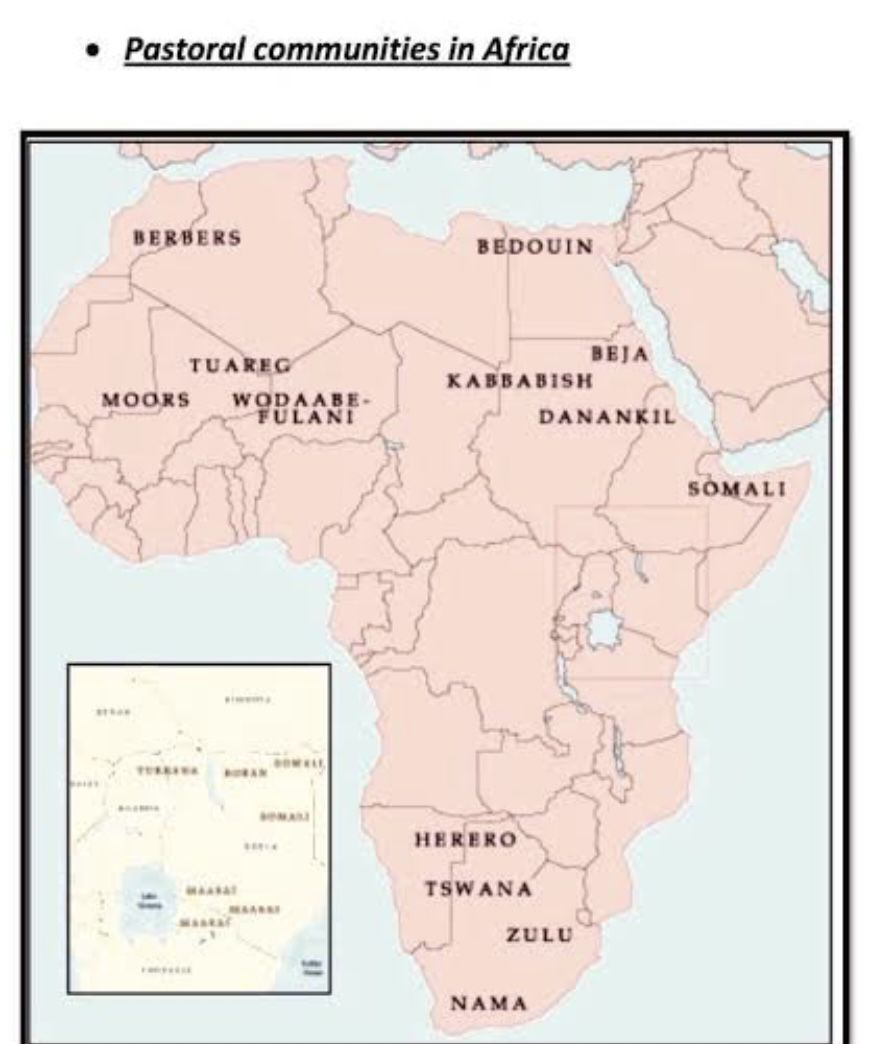
Pastoral communities of this region comprises of high mountains , coastal Mediterranean and the Sahara desert. It consists of Bedouins, Beja, Kurds , Berbers , Tuareg and western Saharan. Traditional rangeland of Maghreb region called as Abdali among Berber and Hima among Bedouin.

Eastern and Southern Africa:

Here pastoralists community consist of Bedouins and masai tribes of Ethiopia, Sudan, Kenya , Tanzania and Uganda 

West and central Africa: 

It includes Tuareg, Fulani, Pauls, maures. The Sahel region lies between Sahara desert and wetter savannah characterised by longer dry season. They keep camels, cattle, sheep and goats.

Central Asia:

It includes the pastoralists of Kazakhstan, Uzbekistan, Tajikistan and Kyrgyzstan along with Russia, Mongolia and China. The world 90% of yak are reared in the cold desert region along with camels, horses, goats and Tibetan sheep.


Saturday, 29 June 2024

Pastoralists in the Modern World and India


Pastoralists in the Modern World 


Nomads are people who do not live in one place but move from one area to another to earn their living along with their herds of cattle, goat,sheep, camels,yak,etc. in search of pasture. 


Pastoralism is a form of animal husbandry where domesticated animals are raised and bred primarily for the purpose of producing meat, milk, hides, wool, and other animal products. It is practiced in various forms around the world, particularly in regions where agriculture is less feasible. Here are some key characteristics of pastoralism:

Key Characteristics

  1. Mobility:

    • Transhumance: Seasonal movement of herds between fixed summer and winter pastures.

    • Nomadism: More irregular and often longer-range movement patterns, with no permanent home, as herders move in search of pasture and water.

  2. Animal-Centric:

    • The primary focus is on the care, breeding, and management of livestock such as cattle, sheep, goats, camels, yaks, reindeer, and horses.

    • Livestock are the main source of livelihood, providing food (meat and milk), clothing (wool and hides), and other products.

  3. Adaptation to Environment:

    • Pastoralists often inhabit marginal lands unsuitable for crop farming, such as deserts, grasslands, and mountainous regions.

    • They have developed knowledge and skills to manage and utilize scarce resources efficiently.

  4. Social Structure:

    • Pastoral societies often have a hierarchical social structure, with clan or family units being the basic social unit.

    • Leadership and decision-making may be based on age, experience, and knowledge of livestock management.

  5. Economy:

    • The economy is primarily based on livestock and their products. Trade and barter are common, with livestock often used as a form of currency or wealth.

    • Some pastoralists engage in supplementary activities like small-scale farming, hunting, or gathering.

  6. Cultural Practices:

    • Rich traditions and cultural practices are centered around livestock, including rituals, festivals, and folklore.

    • Knowledge of animal behavior, breeding, and pasture management is passed down through generations.

  7. Land Use:

    • Pastoralism relies on communal land use, with shared grazing rights and practices to manage and rotate pasture use.

    • Land tenure systems vary, but there is often a strong emphasis on collective management and stewardship of resources.

  8. Resilience and Adaptation:

    • Pastoralists have developed strategies to cope with environmental variability and extreme conditions, such as droughts, floods, and harsh winters.

    • They often maintain diverse herds to spread risk and ensure sustainability.

Types of Pastoralism

  1. Nomadic Pastoralism:

    • Characterized by continuous movement of herders and their livestock in search of fresh pastures.

    • Common in arid and semi-arid regions such as the Sahara Desert, the Sahel, and parts of Central Asia.

  2. Semi-Nomadic Pastoralism:

    • Involves periodic movement between fixed or semi-fixed locations.

    • Practiced in regions where environmental conditions require seasonal migration.

  3. Transhumance:

    • Seasonal migration between specific summer and winter pastures.

    • Often practiced in mountainous regions where herders move livestock to high-altitude pastures in summer and lower altitudes in winter.

  4. Agro-Pastoralism:

    • Combines livestock rearing with crop farming.

    • Practiced in regions where both livestock and crop production are viable, allowing for a more diversified livelihood.

Challenges Faced by Pastoralists

  1. Environmental Changes:

    • Climate change and environmental degradation threaten traditional grazing lands and water sources.

    • Increased frequency of droughts, floods, and extreme weather events can disrupt traditional pastoral practices.

  2. Land Rights and Access:

    • Encroachment of agricultural expansion, urbanization, and land privatization can limit access to traditional grazing lands.

    • Conflicts over land use and access to resources are common in many pastoral regions.

  3. Economic Pressures:

    • Market fluctuations, competition with commercial livestock farming, and limited access to markets can impact the economic viability of pastoralism.

    • Livestock diseases and lack of veterinary services pose significant challenges.

  4. Social and Cultural Changes:

    • Modernization, education, and migration of younger generations to urban areas can lead to cultural erosion and loss of traditional knowledge.

    • Policies and development initiatives may not always align with the needs and practices of pastoral communities.

  5. Political and Legal Issues:

    • Pastoralists may face marginalization and lack of political representation.

    • Legal frameworks and policies may not adequately protect their land rights and traditional practices.

 In 1871, the colonial government in India passed the Criminal Tribes Act. By this Act many communities of craftsmen, traders and pastoralists were classified as Criminal Tribes. They were stated to be criminal by nature and birth. Once this Act came into force, these communities were expected to live only in notified village settlements. The pastoral wasteland rules taken their pasture to agriculture, to earn revenues and taxes, 

When grazing lands were taken over and turned into cultivated fields, the available area of pastureland declined. Similarly, the reservation of forests meant that shepherds and cattle herders could no longer freely pasture their cattle in the forests. As pasturelands disappeared under these pressure.

Efforts to Support Pastoralism

  1. Sustainable Management:

    • Promoting sustainable land management practices to ensure the long-term viability of pastoral systems.

    • Integrating traditional knowledge with modern science to improve pasture management and livestock health.

  2. Policy and Advocacy:

    • Developing policies that recognize and support the rights of pastoralists, including land tenure and access to resources.

    • Advocacy efforts to raise awareness and ensure the inclusion of pastoralists in decision-making processes.

  3. Economic and Social Support:

    • Providing access to markets, credit, and veterinary services to enhance the economic resilience of pastoral communities.

    • Supporting education and capacity-building initiatives to empower pastoralists and preserve their cultural heritage.

Pastoralism is a dynamic and resilient way of life that has adapted to some of the world's most challenging environments. Ensuring its sustainability requires a nuanced understanding of its complexities and a commitment to supporting the rights and livelihoods of pastoral communities.

 Major nomadic pastoral tribes of India:

  1. Gujjar bakarwals of jammu and kashmir : in summer dry scrub forest of high mountains while in winters moves to low hills of siwaliks along with their sheep and goat.

  2.  Gaddi shepherds of Himachal Pradesh had a similar cycle of seasonal movement. They too spent their winter in the low hills of Siwalik range, grazing their flocks in scrub forests. By April they moved north and spent the summer in Lahul and Spiti.

  3. The gujjar of kumaon and gharwal of uttarakhand  are  cattle herders came down to the dry forests of the bhabar in the winter, and went up to the high meadows – the bugyals – in summer.

  4. This pattern of cyclical movement between summer and winter pastures was typical of many pastoral communities of the Himalayas, including the Bhotiyas, Sherpas and Kinnauris. All of them had to adjust to seasonal changes and make effective use of available pastures in different places. When the pasture was exhausted or unusable in one place they moved their herds and flock to new areas. This continuous movement also allowed the pastures to recover; it prevented their overuse.

  5. Raika camels grazing on the Thar desert in western Rajasthan. Only camels can survive on the dry and thorny bushes that can be found here; but to get enough feed they have to graze over a very extensive area. the Raikas combined cultivation with pastoralism. During the monsoons, the Raikas of Barmer, Jaisalmer, Jodhpur and Bikaner stayed in their home villages, where pasture was available. By October, when these grazing grounds were dry and exhausted, they moved out in search of other pasture and water, and returned again during the next monsoon. One group of Raikas – known as the Maru (desert) Raikas – herded camels and another group reared sheep and goat.

  6. Dhangars were an important pastoral community of Maharashtra they move between konkan(winters) and semi-arid areas of central plateau of Maharashtra during the monsoon (grow bajra). They keep sheep and buffalos.

  7. The Gollas herded cattle. The Kurumas and Kurubas reared sheep and goats and sold woven blankets lives in karnataka and andhra pradesh between dry areas of interior plateau and wet coastal areas in monsoon and non monsoon season.

  8. Banjaras were yet another well-known group of graziers. They were to be found in the villages of Uttar Pradesh, Punjab, Rajasthan, Madhya Pradesh and Maharashtra. In search of good pastureland for their cattle, they moved over long distances, selling plough cattle and other goods to villagers in exchange for grain and fodder

  9. Maldhari herders moving in search of pastures. Their villages are in the Rann of Kutch. 


Pastoralism in Africa:


L 26 JET STREAM CAUSES TYPES AND ROLE

JET STREAM & ITS SIGNIFICANCE MEANING AND ORIGIN  CHARACTERISTICS TYPES AND ITS DISTRIBUTION CAUSE AND MECHANISM WEATHER ASSOCIATED WITH...